
How to Arrange Executive Roadshows Without Delays
23 August 2026
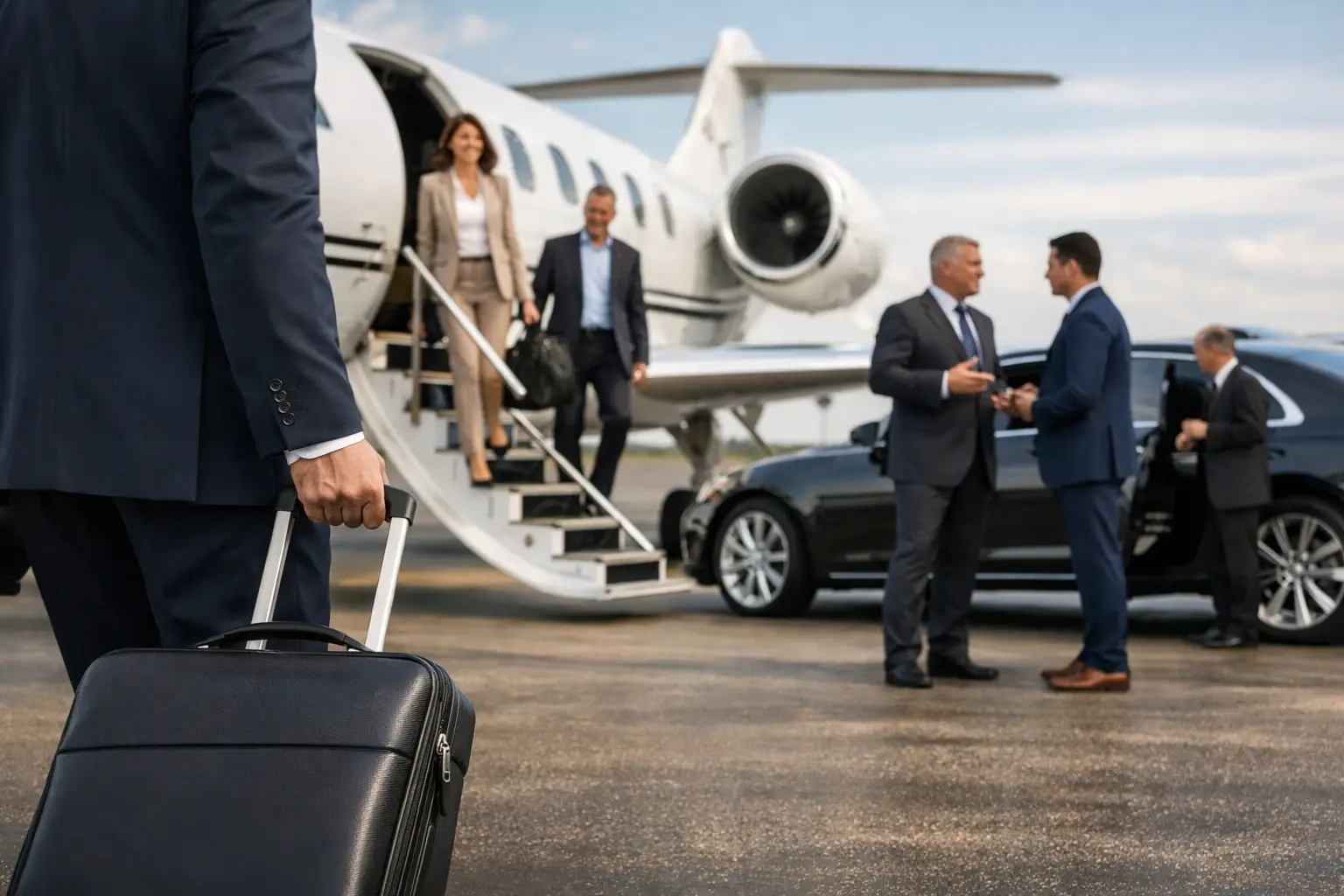
A senior delegation can lose confidence in an event before the first meeting begins. One late airport pickup, an undersized vehicle, or a driver waiting at the wrong entrance can disrupt a tightly planned schedule and put hosts on the back foot. Knowing how to arrange executive roadshows means treating transportation as a controlled operating plan, not a series of individual car bookings.
Executive roadshows often involve multiple meetings across Singapore, airport movements, hotel departures, site visits, investor presentations, and hosted dinners. The standard is higher than ordinary corporate travel: guests need punctual arrivals, appropriate vehicles, discreet chauffeurs, and clear coordination behind the scenes. The best plans make each transfer feel effortless to the passenger because the operational detail has already been resolved.
Start With the Roadshow Schedule, Not the Vehicle
The route should follow the business agenda, not vehicle availability. Build a master movement schedule that captures every passenger movement from arrival through final departure. Include the meeting location, required arrival time, estimated meeting end time, pickup point, destination, passenger count, luggage profile, and primary on-site contact for each stop.
Do not assume a 30-minute map estimate means a 30-minute transfer. In Singapore, traffic conditions, business district congestion, hotel loading bays, exhibition venue access rules, and security screening can all affect timing. Add a realistic buffer for each movement, particularly during peak periods and when the group must move through Marina Bay, the Central Business District, Changi Airport, or major convention venues.
For a senior executive, arriving 10 minutes early is usually preferable to arriving exactly on time. The exception is a venue with limited waiting space or strict vehicle access rules. In those cases, the transport provider should stage the vehicle nearby and dispatch it into the pickup zone at the appropriate time.
Define the non-negotiables early
Before requesting a quotation or assigning vehicles, identify the details that cannot change. These commonly include flight numbers, executive names, security requirements, presentation start times, venue entrances, and approved pickup contacts. A roadshow itinerary may look simple in a spreadsheet, but small gaps in this information create avoidable risk on the ground.
The most useful transport brief also separates fixed movements from flexible ones. Airport transfers and investor meetings usually run to firm timings. Lunches, site inspections, and informal networking sessions may overrun. This distinction helps dispatchers decide where a chauffeur should wait on standby and where a vehicle can be released or repositioned.
How to Arrange Executive Roadshows by Passenger Group
Do not plan every attendee the same way. A CEO traveling with two colleagues has different needs from a 20-person delegation, a production team, or local staff supporting the event. Segmenting passengers prevents both overbooking and awkward vehicle assignments.
Senior principals are generally best assigned a dedicated executive sedan, luxury sedan, or premium MPV with a chauffeur who remains with the itinerary. A dedicated vehicle preserves privacy, accommodates last-minute route changes, and avoids making a principal wait for other passengers. Premium MPVs are particularly practical when executives are traveling with luggage, assistants, or presentation materials.
For delegates moving together between a hotel and a conference venue, a minibus or mini coach can be more efficient than several cars. It reduces convoy complexity, simplifies headcounts, and ensures the group arrives as one unit. Full-size coaches may be appropriate for larger delegations, staff groups, or guests attending a major event, but they require more attention to hotel driveways, loading bays, and venue coach access.
If several vehicles are needed, designate a lead vehicle or on-site transport coordinator. The goal is not to create a visible motorcade. It is to maintain sequence, ensure every passenger is accounted for, and give the organizer one point of contact if the agenda changes.
Select Vehicles for the Actual Movement
Vehicle selection should reflect passenger comfort, luggage, travel duration, and the desired level of presentation. Booking a sedan because it is technically large enough can be a false economy if the passenger is carrying cabin bags, garment bags, laptop cases, or event materials. Likewise, placing a small group in a large coach may create unnecessary cost and complicate access at compact city venues.
For roadshows with multiple meetings, comfort affects performance. Executives may be preparing for a presentation, taking confidential calls, or recovering between long sessions. A clean, well-maintained luxury vehicle and a professional chauffeur create the quiet space needed between appointments.
Ask the transport provider to confirm not only the vehicle category but also the practical passenger and luggage capacity. For major roadshows, request a fleet plan that shows the number of vehicles assigned, their roles, operating hours, standby requirements, and replacement coverage. This is especially valuable when VIP transfers are running alongside group movements.
Build Dispatch Control Into the Plan
A chauffeur cannot manage a roadshow alone. The difference between a basic booking and a managed transport operation is active dispatch oversight. Dispatch should review the itinerary, monitor flight arrivals where applicable, confirm routing, verify chauffeur assignments, and maintain contact with the organizer throughout the program.
Provide a single live itinerary rather than sending revised details across multiple email threads or messaging groups. Every update should show the time it was issued, what has changed, and who is responsible for approval. If an investor meeting moves from 2:00 p.m. to 2:30 p.m., the operational question is not just whether the chauffeur has been told. It is whether the vehicle's next assignment, driver break, and staging position still work.
For complex schedules, establish an escalation path before the first pickup. The organizer should know who to contact for day-of changes, while the transport operations team should know who can approve additional vehicles, extended waiting time, or revised destinations. This avoids delays when a principal requests an unplanned site visit or a dinner venue changes at short notice.
Plan airport movements with flight data
Airport transfers deserve their own level of control. Confirm flight numbers, terminal details, passenger contact numbers, luggage expectations, and the preferred meet-and-greet arrangement. Flight tracking allows dispatch to adjust chauffeur timing when an arrival is early or delayed, but it does not replace clear instructions for the passenger.
For VIP arrivals, confirm whether the guest should be met in the arrival hall, at a designated pickup point, or after a lounge or immigration process. Share the chauffeur's vehicle details and contact procedure in advance. The passenger should not need to search through multiple messages after a long flight.
Rehearse the Sensitive Parts of the Route
Not every roadshow requires a full physical route rehearsal. For high-stakes itineraries, however, a route review is a sensible precaution. This is particularly relevant when the program involves unfamiliar venues, embassy or diplomatic settings, secure facilities, multiple hotel entrances, restricted loading zones, or a large fleet moving on the same schedule.
Confirm the exact drop-off and pickup point at each venue. A street address is rarely enough. Large office towers can have separate lobby, valet, service, and visitor entrances. Convention centers may direct buses and private cars to different zones. A chauffeur who knows the correct entrance protects both punctuality and the executive experience.
Also consider what happens if the schedule slips. A practical contingency plan addresses common scenarios: a delayed flight, a meeting that overruns, heavy traffic, vehicle access restrictions, a passenger split, or an additional guest requiring transport. Not every contingency needs a spare vehicle waiting all day. It depends on the level of risk, budget, and schedule density. But the decision should be made in advance rather than during a disruption.
Keep the Passenger Experience Discreet
Executive hospitality is often most effective when it is understated. Chauffeurs should be professionally presented, familiar with the itinerary, and trained to handle senior passengers with discretion. They should not ask the passenger to manage operational issues, confirm directions at every stop, or explain a schedule change that dispatch has not already approved.
Share only the information the chauffeur needs to execute the transfer well: passenger names where appropriate, event contacts, meeting locations, timing, and special service requirements. For confidential delegations, avoid distributing detailed itineraries more widely than necessary. Commercially insured, properly licensed vehicles and experienced chauffeurs are baseline requirements when senior leaders are in transit.
Limo Z approaches executive roadshows as coordinated mobility programs, with vehicle assignments and dispatch review aligned to the event schedule rather than handled as isolated point-to-point trips. That structure matters when a single missed movement can affect an entire day of meetings.
Confirm the Final Operating Sheet
Issue a final operating sheet shortly before the program begins, then recheck it on the day. It should include the current itinerary, vehicle allocation, chauffeur and dispatch contacts, flight details, venue instructions, passenger groupings, and escalation contacts. Keep it concise enough to use under pressure.
A last check should confirm that passenger counts still match vehicle capacity, meeting locations have not changed, and all VIP transfers have a named on-site contact. If the roadshow spans several days, review the following day's first movements before the current day's final dinner or event concludes.
The strongest executive roadshow transport plan is the one passengers barely notice. They step into the right vehicle, reach each appointment composed and on time, and leave Singapore with the impression that every detail was under control.